GROWING UP NEAPOLITAN / JOURNAL
N° 03 — FAITH / FOLKLORE
SAN GENNARO: THE SAINT NAPLES TALKS TO LIKE FAMILY
In Naples, devotion is rarely distant. The relationship with San Gennaro is intimate, emotional and deeply woven into city life.
Published 6 September 2026 · 3 MIN READ
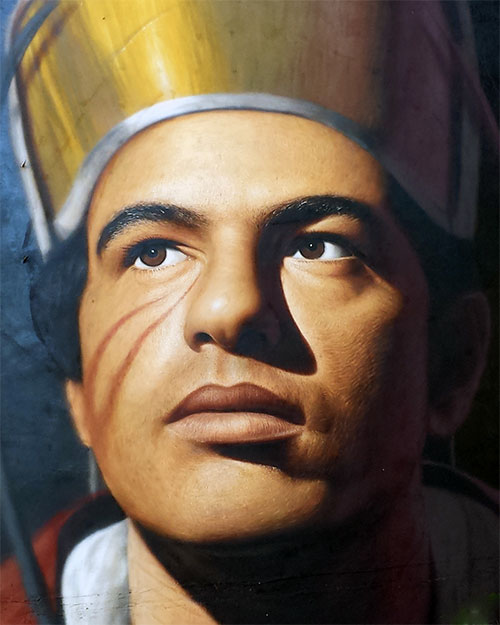
There are patron saints.
And then there is San Gennaro.
For Naples, the relationship has never felt entirely formal.
The saint is prayed to, celebrated, invoked and sometimes addressed with the familiarity normally reserved for someone in the family.
At the centre of this relationship is one of Naples' most famous religious traditions: the liquefaction of the substance contained in the ampoules traditionally believed to hold San Gennaro's blood.
For believers, it is a miracle.
For Naples, it is also a collective ritual.
Three moments in the year
The tradition is associated with three principal annual occasions.
The first is held on the Saturday preceding the first Sunday in May.
The best-known ceremony occurs on 19 September, the feast of San Gennaro.
The third takes place on 16 December.
The Real Chapel of the Treasure of San Gennaro connects the December observance with the eruption of Vesuvius in 1631. According to the tradition recorded by the Chapel, the blood liquefied and the magma flow stopped before invading the city.
These are religious occasions.
But they are also moments when the attention of an entire city turns toward the same ritual.
Waiting
Part of the power of the tradition is the waiting.
People gather.
The ampoules are brought forward.
Prayers are said.
The condition of the blood is watched closely.
News travels quickly through Naples.
The official Chapel describes the “parenti” — women traditionally linked to the saint — waiting in the front row, invoking him with remarkable familiarity.
For those who believe, the liquefaction carries spiritual meaning.
For others it may represent family memory, civic tradition or cultural identity.
The two experiences can exist beside each other.
Naples is very good at that.
Naples does not keep all its saints at a distance. Sometimes it speaks to them.
A saint who belongs to the city
San Gennaro is not only represented inside churches.
His image belongs to the wider visual landscape of Naples.
The Treasure of San Gennaro demonstrates how deeply devotion became connected with the city.
The museum and chapel preserve works of major historical, artistic, cultural and spiritual value associated with the saint and with centuries of Neapolitan craftsmanship and devotion.
The result is not simply a religious collection.
It is part of the history of Naples.
Faith next to superstition
One of the most fascinating things about Neapolitan culture is that categories outsiders might consider contradictory frequently coexist.
Catholic devotion.
Superstition.
The evil eye.
A red horn.
San Gennaro.
A football shrine.
A joke.
A prayer.
They do not necessarily cancel each other out.
They occupy different parts of the same cultural landscape.
That coexistence between sacred and profane is one of the recurring languages of Naples.
More than religion
You do not have to share the religious belief to understand the cultural significance.
San Gennaro is part of how Naples has narrated itself for generations.
He appears at moments of fear.
At moments of celebration.
During public rituals.
Inside family stories.
That is why the relationship feels so intimate.
Naples does not keep all its saints at a distance.
Sometimes it speaks to them.
SOURCES & REFERENCES
CONTINUE READING
N° 02 — FOLKLORE / SUPERSTITION
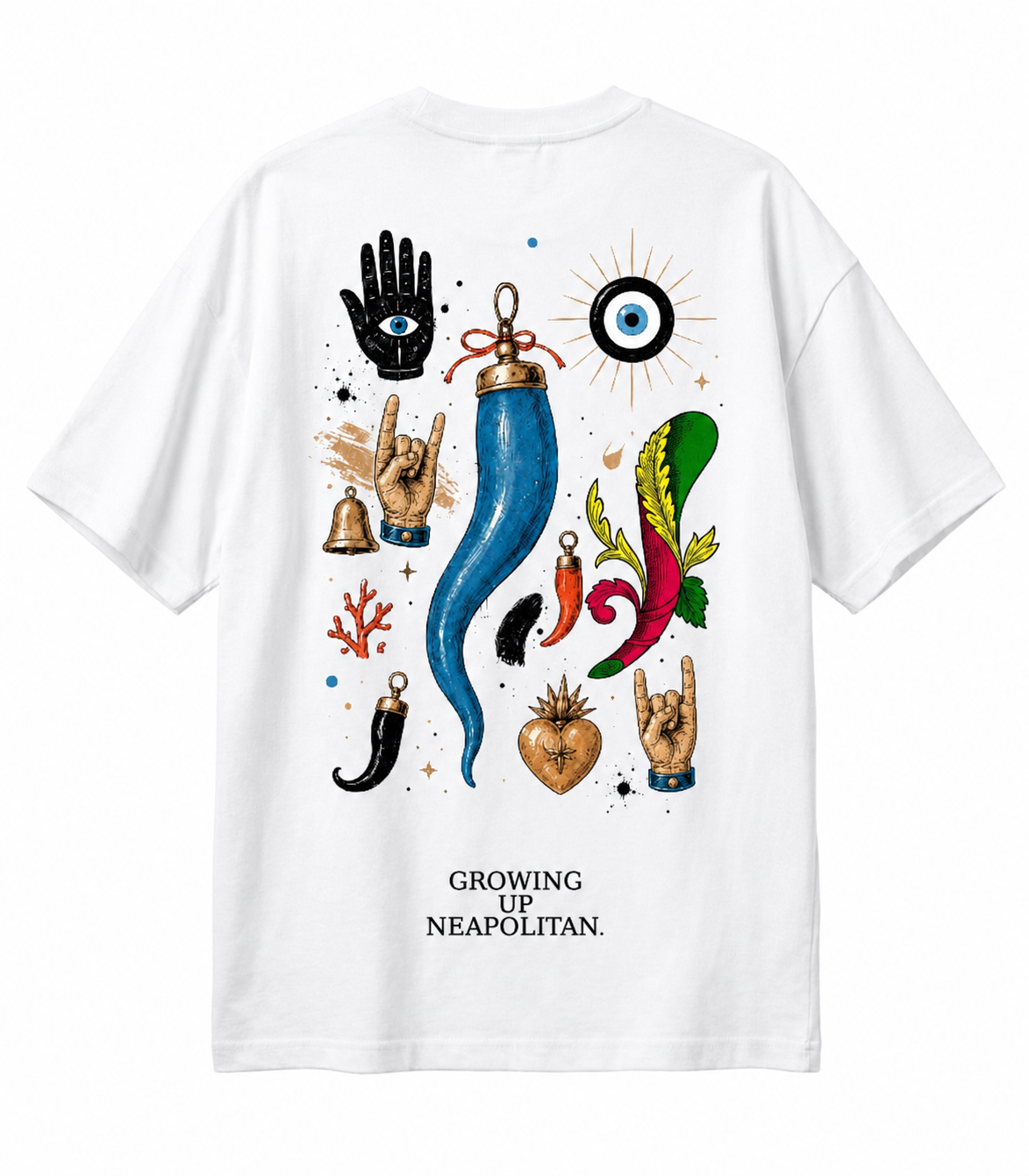
“NON È VERO, MA CI CREDO”: THE EVIL EYE IN NAPLES
You do not have to believe in superstition to grow up speaking its language.
3 MIN READ
READ ARTICLE

N° 01 — HISTORY / FOOTBALL
MARADONA: WHY NAPLES NEVER SAW HIM AS JUST A FOOTBALLER
Football explains the trophies. It does not fully explain why Diego became part of the emotional language of Naples.
3 MIN READ
READ ARTICLE